Egyptian farmers are adopting agrivoltaics, using solar panels to shade crops and reduce water loss, aiming to boost yields in a warming climate.
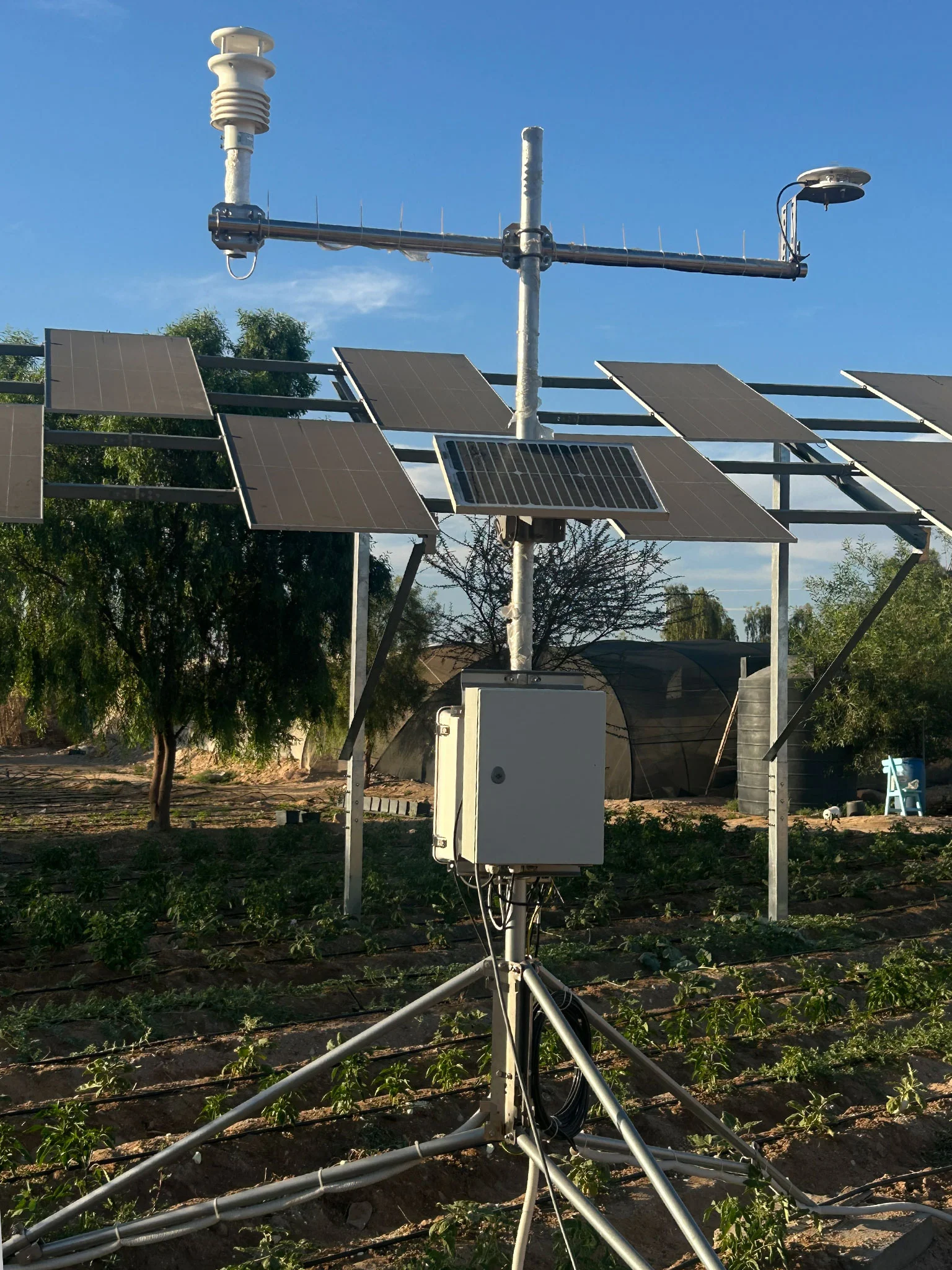
Egypt's agricultural practices, historically dependent on the Nile River's nutrients and water, are now at a crossroads. With escalating water shortages and soaring temperatures threatening crop yields, farmers are turning to a novel technique known as agrivoltaics. This approach integrates solar panels into farming environments, functioning both to generate renewable energy and to provide valuable shade that combats heat stress while decreasing soil evaporation. This represents a critical intersection of the agricultural and energy sectors, aimed at addressing two mounting concerns: food security and sustainable energy production.
Pioneering Agrivoltaics in Egypt
In Egypt, pilot projects spearheaded by various partners, including innovation-focused renewable energy firms, are exploring the potential of this dual-use technology. “There are no preset guidelines to navigate this process, so many initiatives like ours will experiment with diverse strategies,” remarked Gofran Chowdhury, a key figure in one of the projects. These experimental efforts arise in the context of a country that heavily relies on its agricultural output. Yet, with adverse climatic conditions becoming more frequent and extreme, innovative methods are urgently needed.
The Science Behind Agrivoltaics
Research indicates that rather than hindering plant growth, the shade provided by solar panels can actually enhance crop outputs. Many plants, particularly those adapted to less direct light, can thrive under these conditions. In Egypt, the focus is on experimenting with various panel arrangements—ranging from checkerboard layouts that allow sunlight to filter through, to denser configurations that optimize electricity generation. The aim is to strike a balance between maximizing energy output and ensuring that sufficient light reaches the crops, a task that requires careful planning and execution.
Moreover, the shading effect from the panels not only protects soil moisture but has also been linked to positive outcomes in other regions. For instance, similar systems often demonstrate promising results in arid environments, where moisture conservation is paramount. Studies from Nevada show that certain native plants benefit from the hydrological protection offered by solar farms. In Colorado, rooftop crops shaded by solar panels exhibited a markedly reduced need for water compared to their sun-exposed counterparts. The introduction of transparent solar technology is also gaining traction, which allows light to reach the plants while generating power — offering a potential leap in efficiency.
Potential Gains for Egyptian Farmers
Egyptian farmers stand to gain significantly from these developments. While initial results are promising—like the oversized cucumbers observed in Colorado—the focus is on local preferences for traditional crops. “Our goal is to adapt alongside the community and assess their current practices,” said Chowdhury, emphasizing the importance of tailored solutions. Data collected from these experiments will shape how agrivoltaics can be effectively implemented across diverse agricultural contexts. If you’re working in this space, adapting these technologies to local crop varieties could be key to wider acceptance among farmers.
Challenges Ahead for Implementation
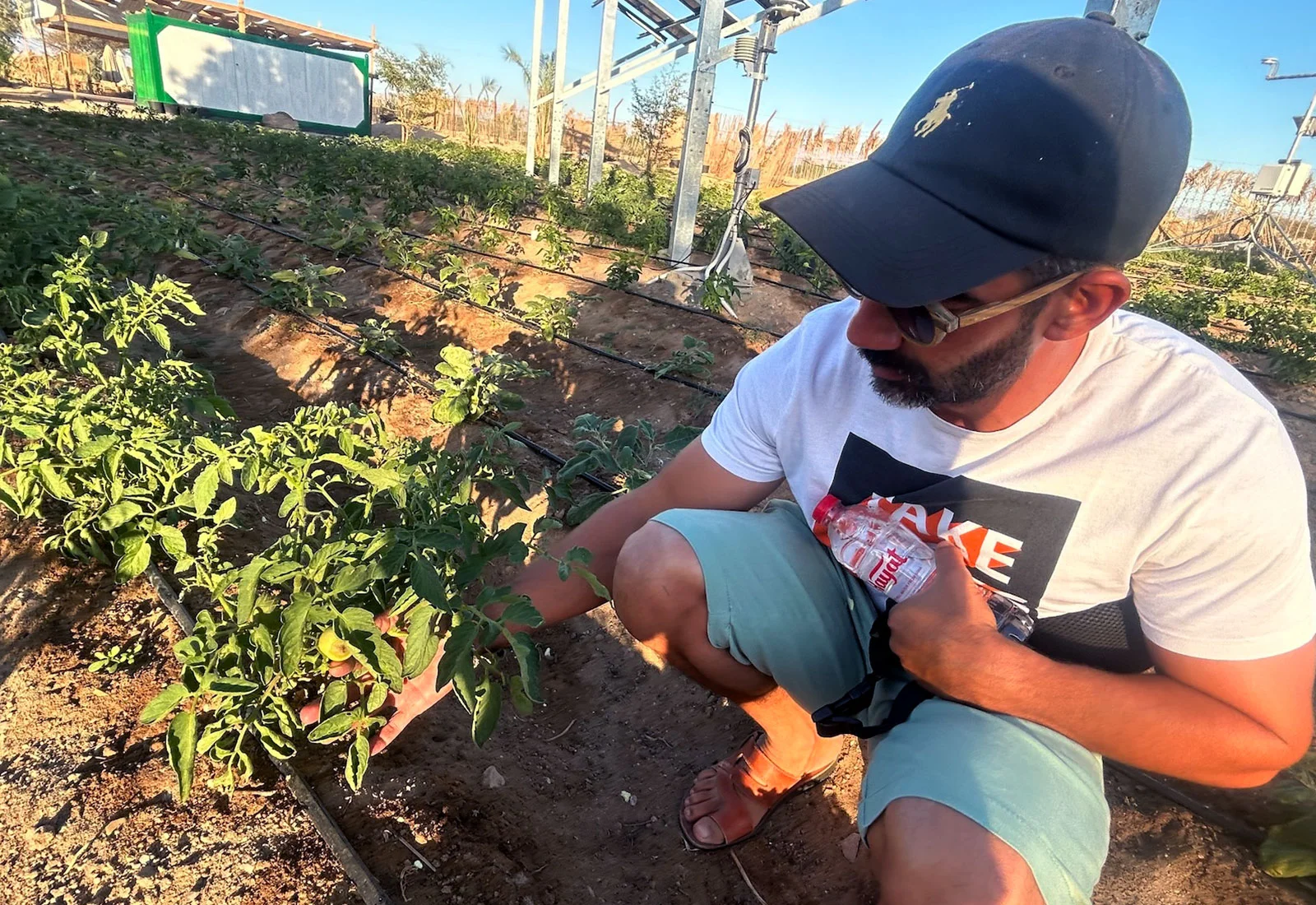
Maged El-Said, founder of the Habiba Community regenerative farm in South Sinai, expressed optimism about the early signs of success with crops like watermelon thriving well under the new panel installations. However, crucial decisions remain regarding the most effective agrivoltaics model for various communities. Should farms like these operate independently or collaboratively? This decision isn't trivial, as it will influence the efficiency and sustainability of operations. Factors such as electricity distribution for irrigation or even potential desalination efforts are on the table, offering future opportunities for water-scarce regions. This is the part most people overlook: the integration of energy and agricultural practices requires significant interdisciplinary collaboration that involves farmers, energy producers, and policy-makers.
The Bigger Picture: Implications for Agriculture and Energy
This self-reinforcing cycle of energy and water resource management presents significant implications for agriculture as temperatures rise. Integrating solar panels not only provides dual-purpose land use but also mitigates the common conflict between energy production and agricultural development. As El-Said noted, “I envision a scenario where we can achieve both objectives.” This isn't just an idealistic statement; it points to a potential paradigm shift in how farming and energy production might interact, especially in regions facing similar environmental stresses. As agrivoltaics gains traction, it could serve as a model for other nations grappling with water scarcity and agricultural needs.
Thinking critically, the success of agrivoltaics will depend not only on technical execution but also on the regulatory frameworks and community engagement that support these initiatives. Opportunities for scaling this technology loom large on Egypt’s horizon, paving the way for a more sustainable agricultural future.
Discussion
Sign in to join the discussion.